
Battery Backup Systems Explained: How South African Homes Stay Powered During Load
Shedding
Battery Backup Systems Explained: How South African Homes Stay Powered During Load Shedding
Battery backup systems have become one of the most requested residential upgrades in South Africa. With unpredictable load shedding schedules, homeowners want systems that work automatically and reliably.
This article explains how battery backup systems work, how they integrate with solar, and how to choose the right configuration.
What Is a Battery Backup System?
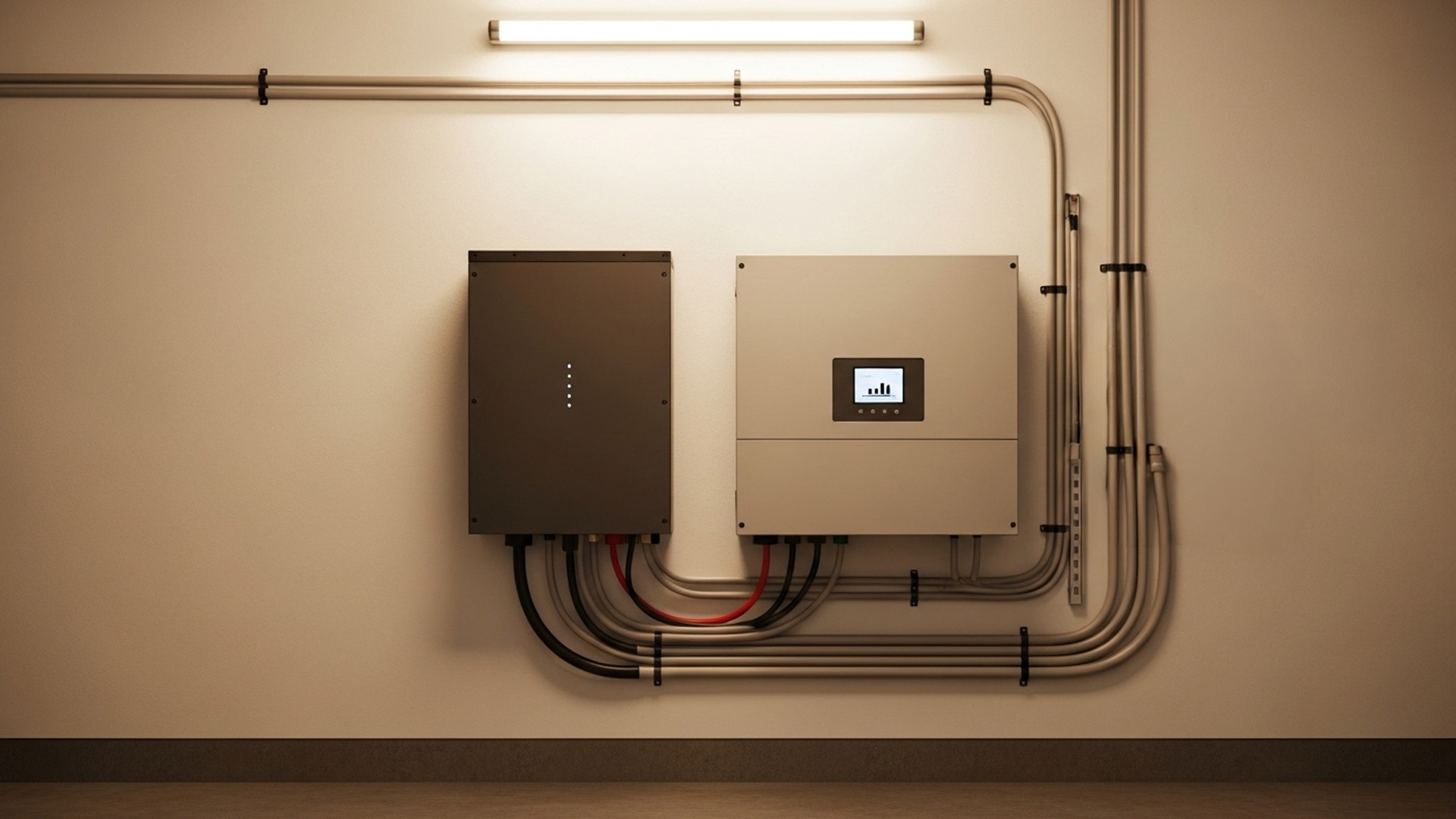
A battery backup system stores electrical energy and supplies power to selected circuits when grid power fails. In residential settings, batteries are typically paired with a hybrid inverter.
Unlike generators, battery systems:
- Switch automatically
- Produce no noise
- Require no fuel
- Are safe for indoor installation
How Battery Backup Works During Load Shedding
When grid power fails:
- The inverter detects the outage
- Essential circuits are supplied from the battery
- Solar panels continue charging batteries during daylight
- Power is restored seamlessly when the grid returns
Most homeowners experience no interruption at all.
What Can You Power With a Battery?
Battery capacity determines runtime, not how many appliances are connected.
Typical essential loads include:
- Lights
- Wi-Fi and networking
- TVs and electronics
- Refrigerators
- Security systems
High-consumption items like stoves, geysers, and air conditioners are usually excluded unless the system is designed specifically for them.
Lithium Batteries vs Lead-Acid
Modern residential systems almost exclusively use lithium iron phosphate (LiFePO4) batteries.
Lithium Battery Advantages
- Longer lifespan (10+ years)
- Faster charging
- Deeper usable capacity
- Safer chemistry
- Lower lifetime cost
Lead-acid batteries are largely obsolete for residential backup.
Battery Size: The Most Common Mistake
Many homeowners underestimate how much battery capacity they need.
Factors that influence sizing:
- Load shedding stage and duration
- Number of essential circuits
- Night-time usage patterns
- Solar availability
A correctly sized battery avoids disappointment and unnecessary upgrades later.
Battery Backup With or Without Solar
Battery-Only Systems
- Charge from the grid
- Provide short-term backup
- Useful as a stepping stone
Battery + Solar Systems
- Charge from solar and grid
- Provide longer backup
- Reduce monthly electricity bills
Solar dramatically improves the effectiveness of battery backup.
Safety and Compliance
Battery installations must include:
- Proper isolation
- Surge protection
- Correct earthing
- DB board modifications
- Compliance with SANS standards
Professional installation is critical.
Final Thoughts
Battery backup systems are no longer a luxury — they are a practical response to South Africa’s energy reality. When paired with solar, they provide stability, comfort, and peace of mind.
The key is correct sizing, quality components, and professional installation.